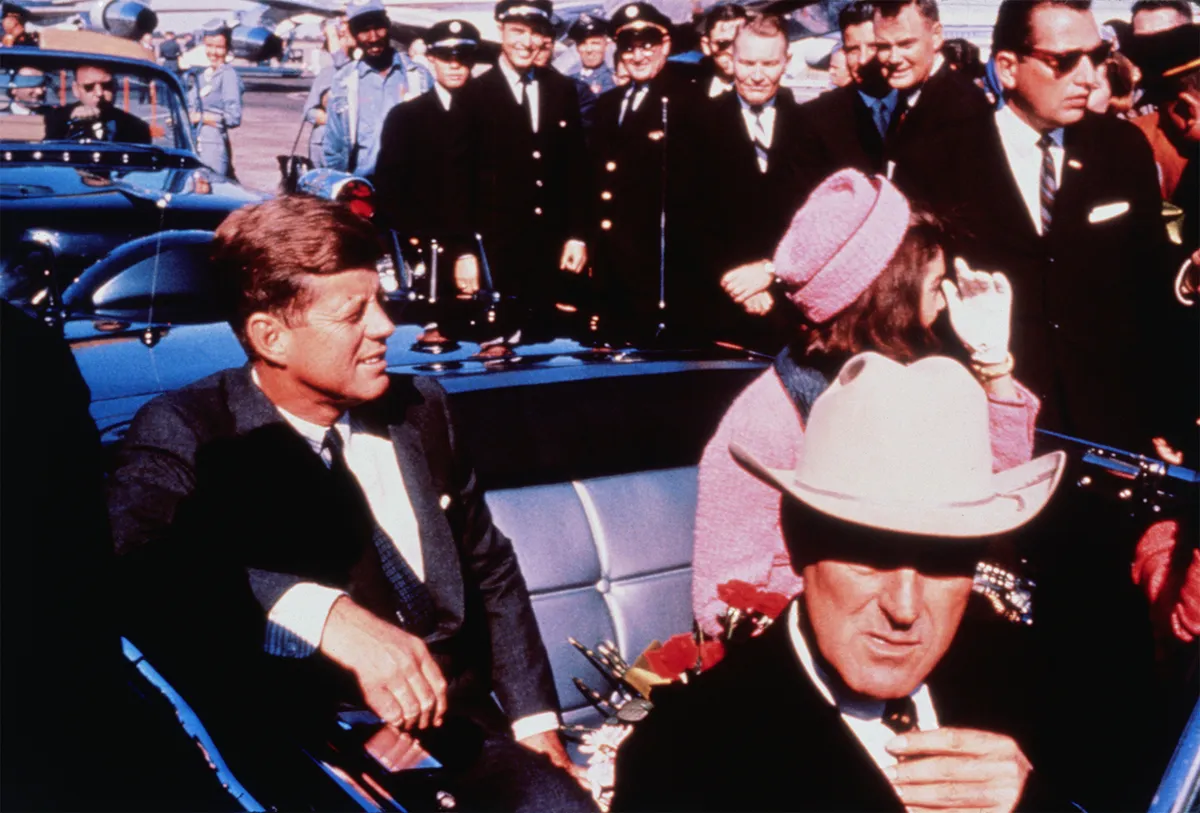

On November 22, 1963, President John F. Kennedy was fatally shot in Dallas, Texas, a moment that stunned the world and triggered decades of investigation, speculation, and conspiracy theories. Lee Harvey Oswald was officially accused of acting alone, but his assassination by nightclub owner Jack Ruby before trial left crucial questions unanswered. Researchers, historians, and amateur sleuths have debated whether Oswald was truly the lone gunman, or if others were involved in a wider plot. Despite extensive inquiries, public fascination with JFK’s death endures, as the truth behind America’s most infamous political assassination continues to elude definitive confirmation.
The assassination of President John F. Kennedy is one of the most enduring mysteries of modern American history. On the morning of November 22, 1963, Kennedy rode in a motorcade through Dealey Plaza in Dallas, Texas, alongside First Lady Jacqueline Kennedy and Texas Governor John Connally. Shots rang out, and the 35th President of the United States was struck multiple times, ultimately dying from a fatal gunshot wound. Lee Harvey Oswald, a former Marine with Marxist sympathies, was arrested later that day and charged with the murder. Despite the arrest, Oswald never faced a full trial; just two days later, he was shot by nightclub owner Jack Ruby while in police custody, leaving the nation in shock and the case clouded with uncertainty.
Official investigations, including the Warren Commission, concluded that Oswald acted alone in assassinating Kennedy, while Ruby acted independently in killing Oswald, claiming his actions were motivated by a desire to spare Jacqueline Kennedy the trauma of a public trial. However, many historians and researchers have questioned the lone-gunman conclusion. Numerous alternative theories have emerged over the decades, ranging from alleged involvement of the CIA, organized crime, anti-Castro Cuban operatives, and even political rivals within the United States government. Conflicting eyewitness accounts, questionable evidence, and the mysterious circumstances surrounding Oswald’s death have fueled decades of speculation, documentaries, books, and public fascination.
Today, the JFK assassination continues to captivate the world. Despite declassified documents and extensive research, no conclusive evidence has definitively proven whether Oswald acted alone or as part of a larger conspiracy. The lack of a clear resolution has made the event a symbol of intrigue, government secrecy, and historical debate. For many, the unanswered questions are as compelling as the facts themselves, ensuring that Kennedy’s death remains a defining, mysterious moment in American history. Scholars continue to pore over testimony, photographs, and newly released files, while the public endlessly debates the “what ifs” of November 1963. With the passage of time and the fading of firsthand witnesses, a universal consensus may never be reached, preserving the assassination as one of the most notorious enigmas in the 20th century.


Leave a Comment