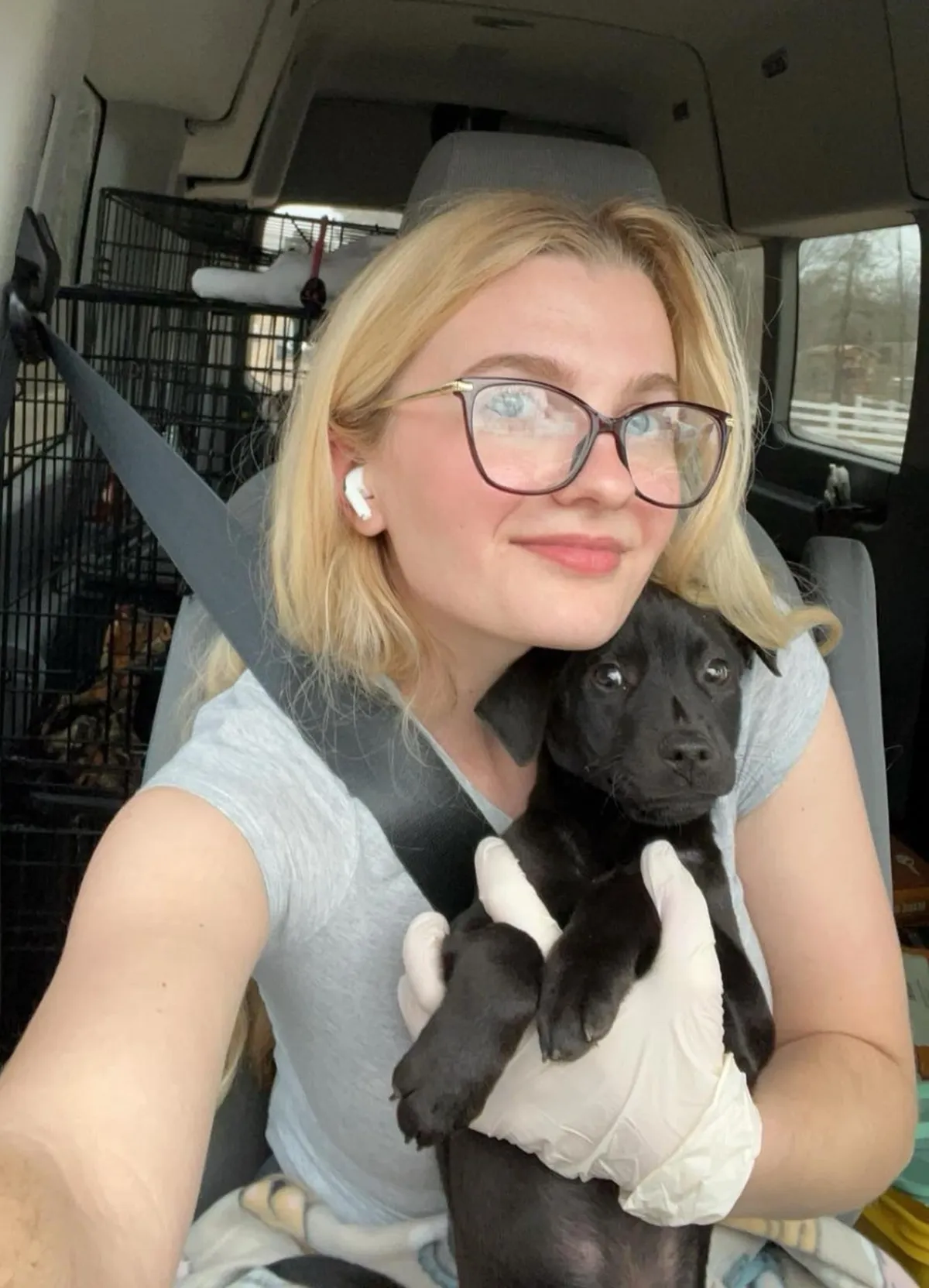

A dedicated animal advocate has saved more than 1,400 dogs and cats from euthanasia by taking in animals from overcrowded shelters.
A dedicated animal advocate has saved over 1,400 dogs and cats from euthanasia by taking in animals from overcrowded shelters. What began with rescuing one abandoned dog grew into a lifelong mission, focusing on animals deemed unadoptable due to age, illness, or trauma. Using her savings, she established a sanctuary where rescued animals receive care and rehabilitation. While many have been adopted, others remain in her permanent care. Her work highlights the crisis of shelter overcrowding and demonstrates how individual compassion can create large-scale impact.
The Sanctuary and Its Founder
The story of Xiaoyun Yang, a 63-year-old retired school teacher from Tianjin, China, exemplifies this extraordinary dedication. Her sanctuary, “Common Home” (共同家园), located in a run-down yard in the Dongli District, is now home to over 1,500 stray dogs and cats .
Yang’s journey began in 1995 when she witnessed a kitten being thrown into a river because the owner could not sell it at a desirable price. Unable to watch the kitten drown, she tied a rope around herself, entered the river to save it, and was pulled ashore by her son. That was her first rescue, and she has not stopped since .
From One Rescue to a Lifelong Mission
Yang initially took animals into her own house, but quickly ran out of space. She moved the shelter to a garage in her community, but the rescued population soon exceeded that capacity as well. In 1999, she rented a small bungalow with a courtyard, officially founding “Common Home” .
Over the following decade, the shelter had to move ten times due to various reasons, relocating to different areas throughout the city. To fund her mission, Yang sold two of her properties. Her son initially disagreed with the sacrifices she was making and moved away, though years later he experienced a change of heart and now supports the shelter alongside his wife .
Today, “Common Home” shelters more than 200 cats and over 1,000 dogs. Many of these animals are disabled or sick, requiring intensive medical attention. Yang has never turned her back on any of them. Through years of experience, she has learned basic veterinary skills to successfully treat minor illnesses .
Daily Life and Challenges
Yang’s daily routine begins at 5 a.m. and continues until 10 p.m., with only one meal throughout the day. Preparing two meals for over 1,200 animals takes approximately eight hours each day .
The financial burden is immense. Annual rent exceeds $4,700 USD, while food and medical supplies cost more than $6,000 each month .
The shelter relies primarily on donations and volunteer support. Yang has also intervened to stop “meat dog trucks,” paying traders to save animals from slaughter without negotiation, fearing the animals would be killed if she delayed .
Despite criticism from some who question her intentions, Yang perseveres. The current shelter site faces demolition, requiring an urgent relocation for all the animals .
Global Parallels: Similar Stories of Sacrifice
Yang’s story resonates with animal rescuers worldwide. In Lahore, Pakistan, 31-year-old Hannah Muzaffar Shah has rescued and rehabilitated over 1,000 animals since 2015 through her initiative, Faltoo Say Paltoo . She houses nearly 90 rescued animals in her own home, including those with special needs—blind, deaf, paralyzed, epileptic, or chronically ill animals that others consider “unadoptable” . Shah’s compassion developed as an act of rebellion against a family culture where hunting trophies hung as symbols of pride, and she fed stray animals in secret as a child .
In the United States, Leo Grillo founded D.E.L.T.A. Rescue after a chance encounter with an abandoned Doberman in 1979. Today, nestled in California’s Angeles National Forest, it is the largest no-kill, care-for-life animal sanctuary in the world, home to over 1,500 abandoned cats and dogs . Grillo discovered 35 starving abandoned dogs on a wilderness hike and, unable to find help without euthanasia, took responsibility for feeding and medicating them for a year before rescuing them all .
Similarly, Pat Craig founded The Wild Animal Sanctuary in Colorado in 1980 after witnessing “surplus” animals held in small cages at a zoo. The sanctuary has since saved over 1,000 animals, including large predators, and now encompasses three facilities spanning over 33,000 acres .
In Delhi, India, an elderly woman known affectionately as Devi Ji cares for 70-80 stray dogs, along with cats and parrots, after being abandoned by her own children following her husband’s death. Her story gained widespread attention on social media, highlighting how personal grief transformed into compassion for voiceless beings .
Systemic Solutions and Community Impact
While individual rescues demonstrate profound compassion, systemic approaches are essential to address shelter overcrowding at scale. PAWS Chicago, founded in 1997 by Paula Fasseas after her daughter Alexis brought home cats scheduled for euthanasia, has helped reduce euthanasia in the city by 90 percent . In 2024, PAWS aided in 4,400 adoptions and over 17,000 surgeries, achieving a 98% save rate for animals . Their approach includes a Medical Center providing free and low-cost spay/neuter procedures targeting underserved communities where pet overpopulation originates .
Best Friends Animal Society co-founder Judah Battista, who began his animal welfare journey at age 14, emphasizes that “When a community stops the killing of pets and achieves no-kill status, it benefits everybody — both people and animals” .
Najya Robinson, a Michigan State University graduate, launched Sparks of Purity Shelter Connect, a subscription-based online networking platform enabling shelters to share capacity information and arrange transfers, preventing euthanasia for space reasons . Her venture won first place at multiple pitch competitions .
The Crisis of Overcrowding
Small rescue operations worldwide face impossible choices when space runs out. As one ROLDA-supported rescuer in Romania described, being “completely full” doesn’t stop the calls for help, and refusing can lead to threats against both animals and rescuers . The emotional toll is immense, yet rescuers continue showing up because turning away isn’t an option.
Brownie’s story, a street cat rescued with her kittens in Romania, illustrates the layers of medical and emotional trauma these animals carry. After weeks of veterinary care, including treatment for respiratory virus, parasites, and a concerning growth under her tongue, Brownie began cautiously emerging from hiding and eating openly—small victories representing monumental shifts for a terrified survivor .
Conclusion
Xiaoyun Yang’s rescue of over 1,400 animals stands as a powerful testament to individual compassion creating large-scale impact. From selling her properties to learning veterinary skills, her sacrifice demonstrates the lengths one person will go to protect the voiceless. Her story, alongside countless others worldwide, illuminates both the crisis of shelter overcrowding and the transformative power of refusing to look away.


Leave a Comment